any process in which electrons are added to an atom or ion (as by removing oxygen or adding hydrogen)
reducing
any process in which electrons are added to an atom or ion (as by removing oxygen or adding hydrogen)
refilling
filling again by supplying what has been used up
renewal
filling again by supplying what has been used up
purification
the process of removing impurities (as from oil or metals or sugar etc.)
refrigeration
the process of cooling or freezing (e.g., food) for preservative purposes
regeneration
(biology) growth anew of lost tissue or destroyed parts or organs
regression
(psychiatry) a defense mechanism in which you flee from reality by assuming a more infantile state
regulation
(embryology) the ability of an early embryo to continue normal development after its structure has been somehow damaged or altered
relaxation
(physics) the exponential return of a system to equilibrium after a disturbance
relaxation
(physiology) the gradual lengthening of inactive muscle or muscle fibers
release
a process that liberates or discharges something
replication
(genetics) the process whereby DNA makes a copy of itself before cell division
repression
(psychiatry) the classical defense mechanism that protects you from impulses or ideas that would cause anxiety by preventing them from becoming conscious
retrieval
(computer science) the operation of accessing information from the computer''s memory
reuptake
a process of using up or consuming again
ripening
acquiring desirable qualities by being left undisturbed for some time
aging
acquiring desirable qualities by being left undisturbed for some time
ageing
acquiring desirable qualities by being left undisturbed for some time
rooting
the process of putting forth roots and beginning to grow
rust
the formation of reddish-brown ferric oxides on iron by low-temperature oxidation in the presence of water
rusting
the formation of reddish-brown ferric oxides on iron by low-temperature oxidation in the presence of water
salivation
the secretion of saliva
scanning
the process of translating photographs into a digital form that can be recognized by a computer
scattering
the physical process in which particles are deflected haphazardly as a result of collisions
search
an operation that determines whether one or more of a set of items has a specified property
segregation
(genetics) the separation of paired alleles during meiosis so that members of each pair of alleles appear in different gametes
sequestration
the action of forming a chelate or other stable compound with an ion or atom or molecule so that it is no longer available for reactions
sericulture
raising silkworms in order to obtain raw silk
shaping
any process serving to define the shape of something
shedding
the process whereby something is shed
shit
a coarse term for defecation
dump
a coarse term for defecation
sink
(technology) a process that acts to absorb or remove energy or a substance from a system
slippage
a decrease of transmitted power in a mechanical system caused by slipping
slippage
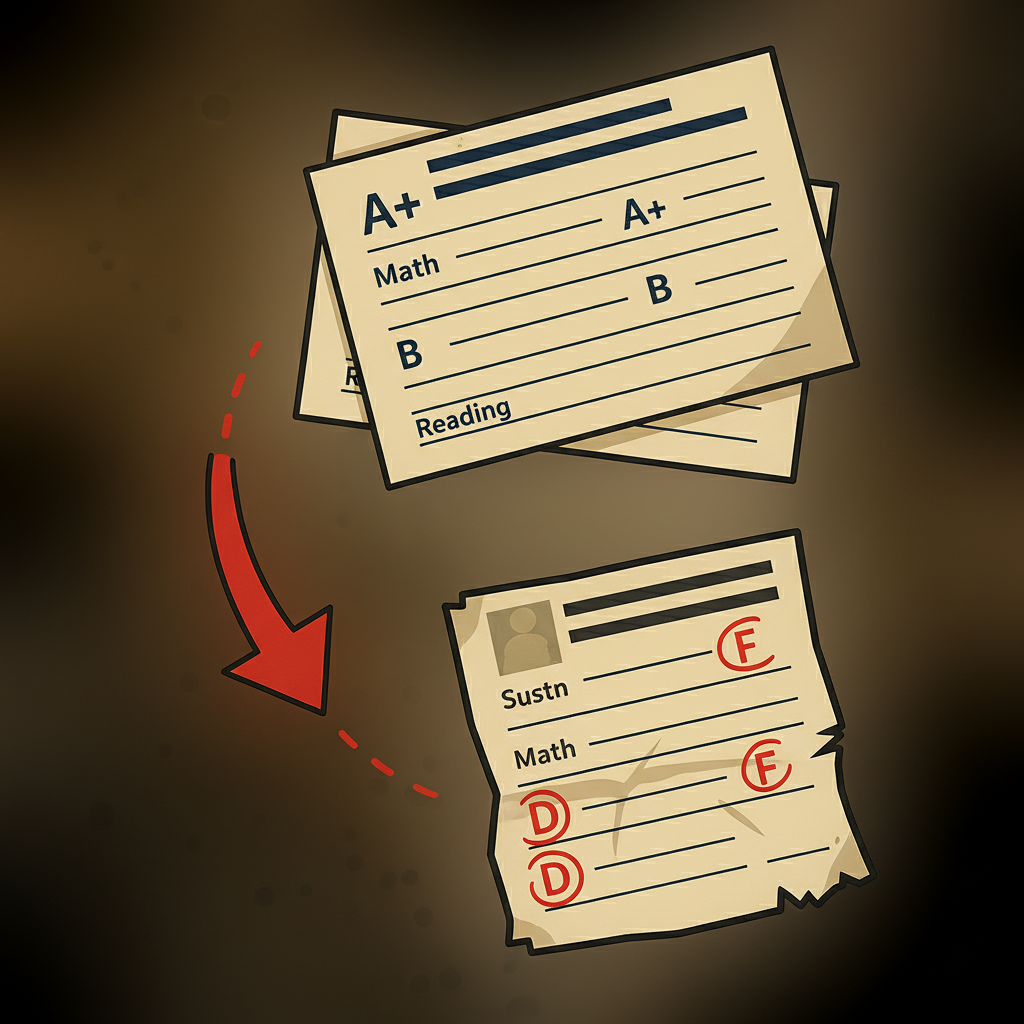
decline from a standard level of performance or achievement
slump
a noticeable deterioration in performance or quality
smoke
a hot vapor containing fine particles of carbon being produced by combustion
smoking
a hot vapor containing fine particles of carbon being produced by combustion
soak
the process of becoming softened and saturated as a consequence of being immersed in water (or other liquid)
soaking
the process of becoming softened and saturated as a consequence of being immersed in water (or other liquid)
sort
an operation that segregates items into groups according to a specified criterion
specialization
(biology) the structural adaptation of some body part for a particular function
differentiation
(biology) the structural adaptation of some body part for a particular function
spermatogenesis
development of spermatozoa
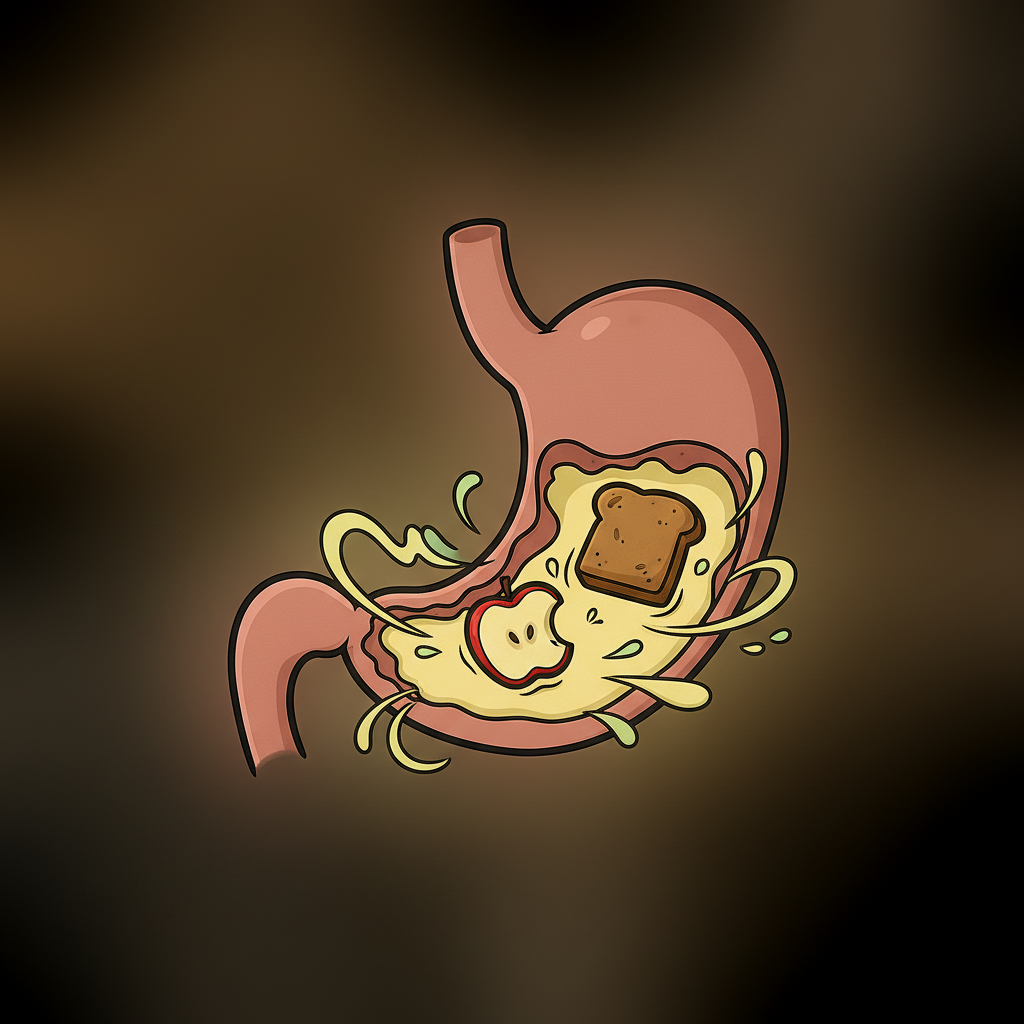
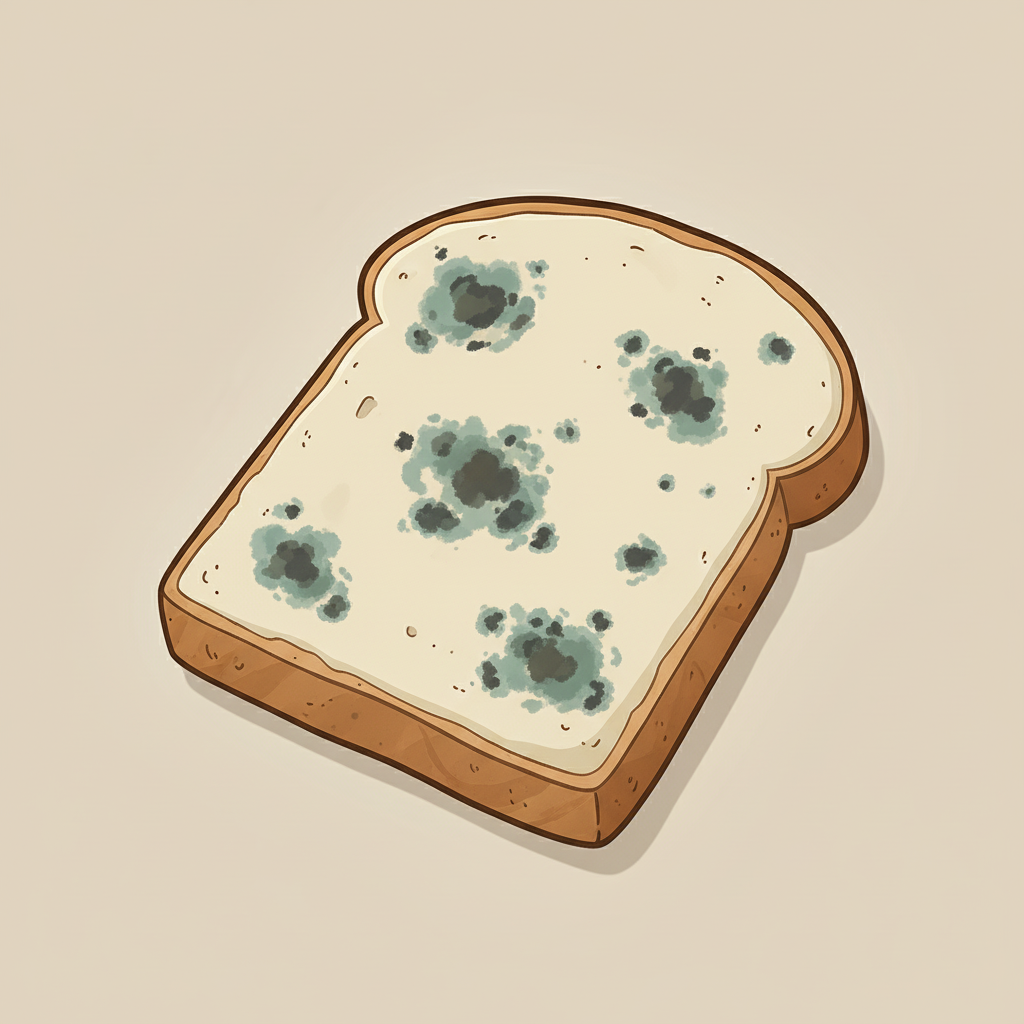
spoiling
the process of becoming spoiled
stagflation
a period of slow economic growth and high unemployment (stagnation) while prices rise (inflation)
stratification
forming or depositing in layers
succession
(ecology) the gradual and orderly process of change in an ecosystem brought about by the progressive replacement of one community by another until a stable climax is established
summation
(physiology) the process whereby multiple stimuli can produce a response (in a muscle or nerve or other part) that one stimulus alone does not produce
superposition
(geology) the deposition of one geological stratum on another
suppression
(botany) the failure to develop of some part or organ of a plant
survival
a natural process resulting in the evolution of organisms best adapted to the environment
synergy
the working together of two things (muscles or drugs for example) to produce an effect greater than the sum of their individual effects
tanning
process in which skin pigmentation darkens as a result of exposure to ultraviolet light
teething
the eruption through the gums of baby teeth
telophase
the final stage of mitosis
telophase
the final stage of meiosis when the chromosomes move toward opposite ends of the nuclear spindle
thaw
the process whereby heat changes something from a solid to a liquid
melt
the process whereby heat changes something from a solid to a liquid
thawing
the process whereby heat changes something from a solid to a liquid
melting
the process whereby heat changes something from a solid to a liquid
translation
(genetics) the process whereby genetic information coded in messenger RNA directs the formation of a specific protein at a ribosome in the cytoplasm
folding
the process whereby a protein molecule assumes its intricate three-dimensional shape
translocation
(genetics) an exchange of chromosome parts
translocation
the transport of dissolved material within a plant
transport
an exchange of molecules (and their kinetic energy and momentum) across the boundary between adjacent layers of a fluid or across cell membranes
tripling
increase by a factor of three
flowering
a developmental process
union
healing process involving the growing together of the edges of a wound or the growing together of broken bones
uptake
a process of taking up or using up or consuming
urbanization
the social process whereby cities grow and societies become more urban
urbanisation
the social process whereby cities grow and societies become more urban
vaporization
the process of becoming a vapor
vapor
the process of becoming a vapor
evaporation
the process of becoming a vapor
vegetation
the process of growth in plants
blistering
the formation of vesicles
vulcanization
process of treating rubber or rubberlike materials with sulphur at great heat to improve elasticity and strength or to harden them
washout
the erosive process of washing away soil or gravel by water (as from a roadway)
Westernization
assimilation of Western culture
fermenting
a process in which an agent causes an organic substance to break down into simpler substances
ferment
a process in which an agent causes an organic substance to break down into simpler substances
metric
a system of related measures that facilitates the quantification of some particular characteristic
bandwidth
a data transmission rate
utility
(economics) a measure that is to be maximized in any situation involving choice
fill
a quantity sufficient to satisfy
majority
(elections) more than half of the votes
plurality
(in an election with more than 2 options) the number of votes for the candidate or party receiving the greatest number (but less that half of the votes)
number
a concept of quantity derived from zero and units
quire
a quantity of paper
ream
a quantity of paper
unit
any division of quantity accepted as a standard of measurement or exchange
decimal
a number in the decimal system
constant
a number representing a quantity assumed to have a fixed value in a specified mathematical context
modulus
(physics) a coefficient that expresses how much of a specified property is possessed by a specified substance
reflectivity
the fraction of radiant energy that is reflected from a surface
transmission
the fraction of radiant energy that passes through a substance
weight
(statistics) a coefficient assigned to elements of a frequency distribution in order to represent their relative importance